

| Your situation | Questions to settle | Planning use |
|---|---|---|
| Checking whether the trial fits | Eligibility criteria, placebo or marketed treatment, sponsor, investigator interests, alternatives | Ask these first. A mismatch here ends the decision early. |
| Weighing risks and safety | Possible risks and benefits, options if harmed, how side effects are monitored, what happens when new information appears | Ask before you read the consent form closely, so the form answers are easy to judge. |
| Sorting out cost and logistics | Whether you pay for any part, what insurance may cover, follow-up care | Ask the study team and your insurer in writing before enrolling. |
| Preparing to sign consent | What the form states, who reviewed it, how new findings reach you | Take the form home and read it before you sign. |
| Thinking about an exit | Right to leave, withdrawing consent, care after the trial | Ask what leaving looks like before you start, not after. |
These questions draw on patient checklists from the Cancer Institute of New Jersey and the consent overview from the PAN Foundation.
The most useful questions to ask before joining a clinical trial are grouped by decision stage: fit, risks, cost, consent and exit. Work through them in order and write down each answer.
If you are still learning about your condition, start with how to find reliable health information online. For background on how studies are staged, see phases of clinical trials explained.
If you are checking whether the trial fits you
Fit comes first because a trial that does not match your situation is not worth weighing further. Each trial has a protocol with eligibility criteria that describe who can join, according to Primrmed. Those rules exist so researchers can study the treatment in the right group of patients and protect safety.
Eligibility and the study protocol
Ask to see the eligibility criteria in the study protocol and compare them with your diagnosis and history. If you are close to the line, ask the team directly whether you qualify rather than assuming. Being turned away is a safety decision, not a judgement of you.
Placebo or an already-marketed treatment
Ask whether the trial involves a placebo or a treatment that is already on the market, a question the Cancer Institute of New Jersey lists for patients. The answer tells you what you could receive, which matters most if you are currently well treated or have little time to wait.
Sponsor and investigator interests
Ask who is sponsoring the trial. Ask also whether the physician or principal investigator has any financial or special interest in it. A financial interest does not make a trial unsafe, but you are entitled to know about it before you decide.
Procedures you would need to undergo
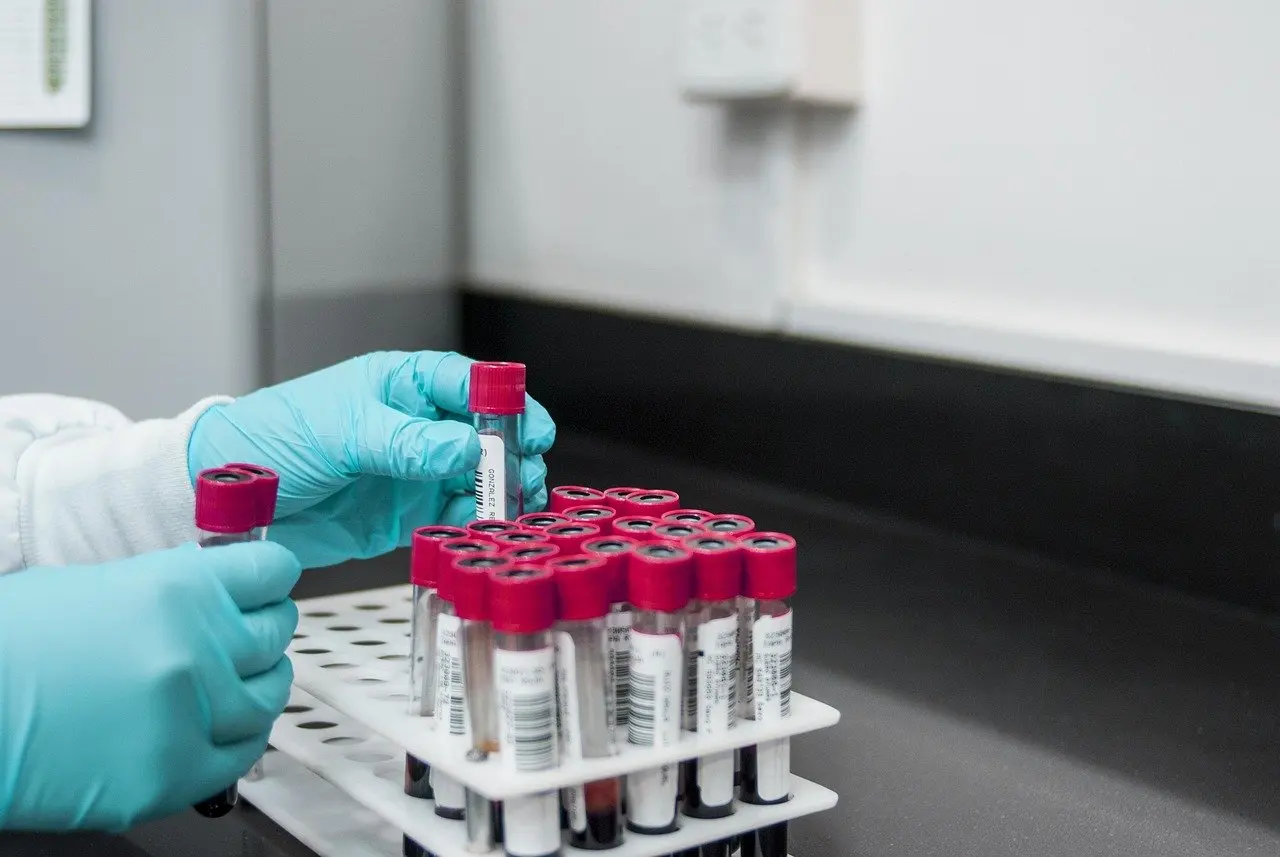
The consent form outlines the trial’s purpose and procedures, so ask the team to walk you through each procedure in plain language. Blood draws and lab tests are common examples of what to ask about, including how often and where they happen.
Alternatives outside the trial
Informed consent should include a discussion of appropriate alternative treatments or procedures that may be helpful. Ask your regular doctor what those alternatives are and how they compare, so the trial is one option you have weighed rather than the only one on the table.
If you are weighing risks and safety
Safety questions help you judge whether the possible benefit is worth the exposure. Agreeing to take part is a serious decision that should not be entered into lightly, as Obvio Health puts it.
Risks, benefits and what happens if you are harmed
Ask what the possible risks and benefits are and what your options are if you are harmed. Ask for the answer in plain words, then check that the written form says the same thing.
How side effects are monitored
Ask how side effects are monitored and treated, a question Primrmed recommends. Follow up by asking who you contact when you notice a symptom, and whether that route works outside clinic hours. Any side effect or other adverse event you notice should reach the team promptly.
New information during the study
If new information becomes available during the trial, you are informed and can decide whether to continue, according to the PAN Foundation. Ask how the team will tell you, so an important finding does not wait until your next scheduled visit.
If you are sorting out cost and logistics
Cost is a practical reason many people hesitate, so settle it before enrolling. Ask plainly, “Do I have to pay for any part of the clinical trial?” The Cancer Institute of New Jersey checklist includes that question.
Routine patient care costs are often covered by health insurance, according to Primrmed. Often is not always, so ask both the study team and your insurer what would be billed to you. If a bill later looks wrong, the same habit of writing down who said what helps.
- Ask the study team: which items are paid by the study and which would be billed to you.
- Ask your insurer: whether routine care during the trial is covered under your plan.
- Ask about afterwards: whether you will receive any follow-up care after the trial has ended.
If you are about to sign the consent form
Informed consent is the process that explains a clinical trial before someone agrees to take part. It is a conversation as well as a document, so use it to ask anything the earlier sections raised.
What the written form covers
You receive a written form outlining the trial, including its purpose, procedures, possible risks and benefits, and participant responsibilities. If any of those parts is vague, ask for it to be explained before you sign.
The role of the institutional review board
An Institutional Review Board (IRB) reviews the informed consent materials before the clinical trial begins. The trial is explained to the IRB, which is a panel of medical and clinical professionals, according to Obvio Health. Ask which IRB reviewed this study and how to reach it if you have a concern.

If you may want to leave
Joining is voluntary, and you have the right to leave the clinical trial at any time. You can also withdraw your consent and pull out. That right does not depend on having a particular reason.
Ask in advance what withdrawing involves in practice. Useful questions include who to tell, whether you would still be seen by the team, and what follow-up care you would receive. Knowing the exit route makes it easier to say yes to joining.
If you are still undecided
Whether to join is a personal call, and it can wait until the answers are in. Write your questions down before the visit and bring the list, so the conversation does not depend on memory.

Share the consent form and your notes with your regular doctor, who knows your history, and compare the trial with the alternatives you have already heard about. To check what has been published on the treatment, see how to search PubMed for medical information. Join only when the fit, risks, costs and exit are all clear to you.
Frequently asked questions
| Question | Answer |
|---|---|
| What is informed consent in a clinical trial? | It is the process that explains the trial before you agree to take part, supported by a written form covering purpose, procedures, risks, benefits and your responsibilities. |
| Can you leave a clinical trial? | Yes. Participation is voluntary and you may leave at any time. |
| Should I join a clinical trial? | It depends on whether you meet the eligibility criteria and are comfortable with the risks, costs and alternatives. It is a serious decision, so take time and use your questions. |
| Who pays for the costs of participation? | Routine patient care costs are often covered by health insurance, but confirm with the study team and your insurer which costs would fall to you. |