

Here is how to dispute a medical bill: request the itemized bill, compare each line with the explanation of benefits, then send the billing department a written dispute naming the exact charges in question.
If the problem is a rejected claim rather than a wrong or unexplained charge, start with what to do when insurance denies a claim. This page covers charges on the bill itself, from the first request for detail through escalation.
Before you start
A dispute works best when the facts are on one desk. Gather the following before contacting anyone, because every later step depends on them.
- The bill and account details. Keep the statement, the account number, the date of service and the name of the provider that issued the bill. Hospitals and separate physician groups often bill separately, so note which entity sent each statement.
- Insurance paperwork. Locate the explanation of benefits (EOB) for the same date of service. An EOB comes from the insurer and is not a bill, but it shows how the claim was processed and what the patient is expected to owe.
- A contact log. Open a note or spreadsheet with columns for date, name, department and what was promised. A written record turns a phone disagreement into something that can be checked later.
- A realistic goal. Decide whether the aim is a corrected charge, a clearer explanation or a review of the amount owed. The goal shapes how the letter is worded.
The expected outcome is one of three results: the bill is corrected, the charge is explained and confirmed as correct, or the dispute moves to a higher level with documentation already in place.
The dispute, step by step
Step 1: Request the itemized bill
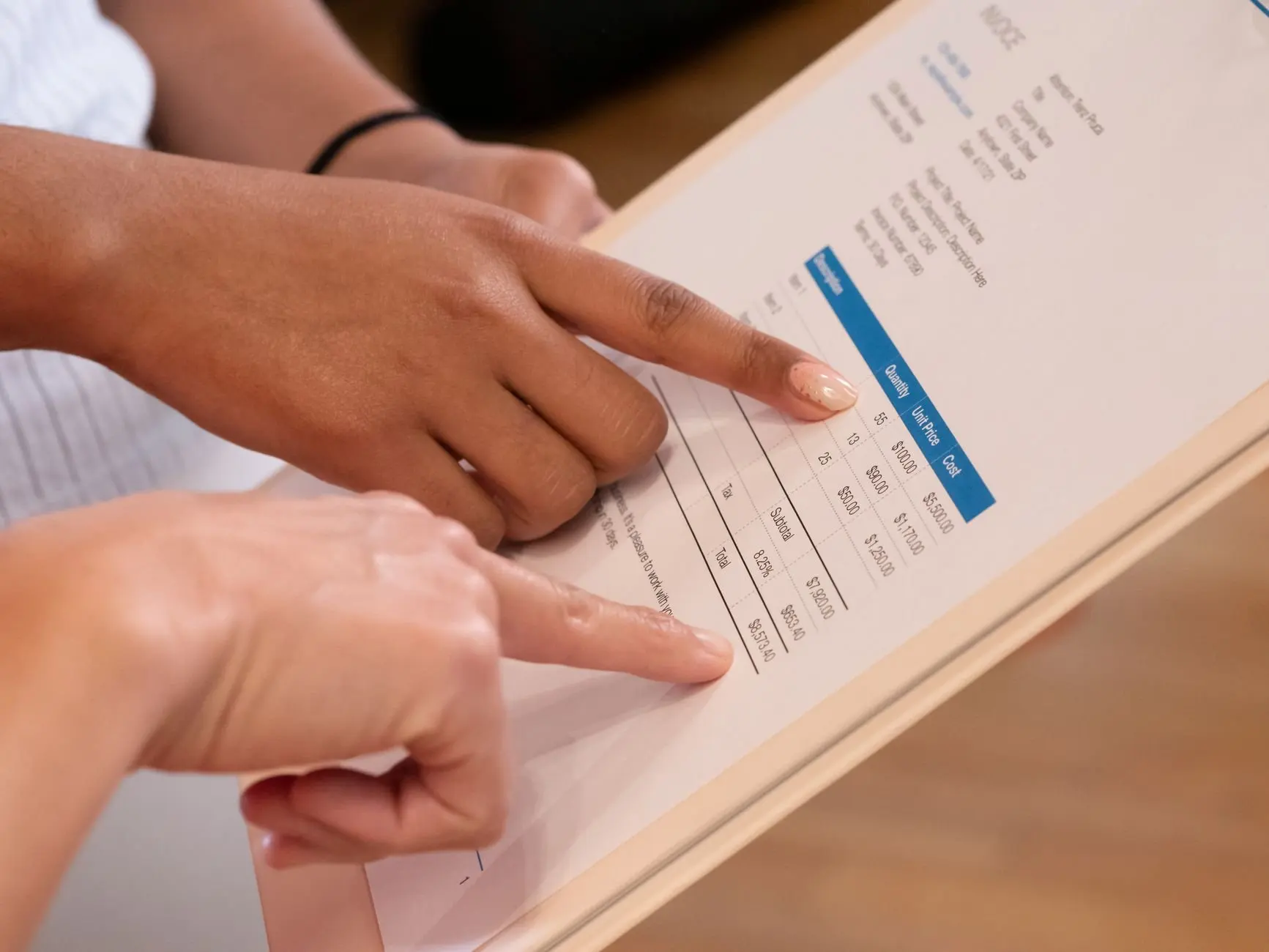
A summary statement often shows only a total. An itemized bill lists each service, supply and charge separately, which is the only form that allows a line-by-line check. Ask the billing department for it by phone, then repeat the request in writing so the date of the request is on record.
State the account number, the date of service and the fact that the request is for an itemized statement showing each charge with its procedure code. Procedure codes, known as CPT codes, are the shorthand that tells an insurer what was done. Asking for them in the request saves a second round of contact.
Step 2: Match every line to the explanation of benefits
Lay the itemized bill beside the EOB for the same date. Check that each service on the bill appears on the EOB, that the dates agree and that the amount the bill asks the patient to pay matches what the EOB assigns to the patient.
Much of the confusion at this stage comes from the cost-sharing terms. A forum discussion among billing practitioners on AAPC notes that patients commonly do not understand deductibles, co-pays or co-insurance. Before calling a charge wrong, read deductible vs copay vs coinsurance and confirm that the amount is not simply the patient’s share under the plan.

Step 3: Mark the charges that do not hold up
Use a pen or highlighter on the itemized bill and label each mark with a reason. Disputes that name a specific line and a specific reason are easier for a billing office to act on than a general complaint that the total is too high. Typical reasons to look for include:
- A service not received. A line for a test, supply or visit that did not happen.
- The same charge listed twice. Identical lines on the same date deserve a question.
- A code that does not match the care. A CPT code that describes a different or larger service than the one provided.
- An amount that differs from the EOB. The bill asks for more than the insurer says the patient owes.
- A charge from a provider not expected. A separate bill from a physician group or other provider that was involved in the visit.
Not every flagged line turns out to be an error. In the AAPC thread, a patient disputed a physician charge connected to CPT 17110, a wart removal, where the amount owed was about a $100 deductible. That kind of charge is correct if the deductible had not yet been met. Marking a line is a question to the billing office, not a verdict.
Step 4: Call the billing department
Phone the billing department listed on the statement and work through the marked lines one at a time. Ask the representative to explain what each charge is for and whether any additional charges from other providers may follow. Practitioners in the AAPC discussion describe explaining to the patient exactly what is charged, including any separate provider charges, as the first response to an upset patient, so this is a reasonable request to expect to have answered.
Write down the representative’s name, the date and what was agreed. If the representative cannot resolve a line, ask who can and whether the account will be held while it is reviewed. Ask for that answer in writing or by message, not only by voice.

Step 5: Check benefits and approvals behind the charge
Some disputes are about what happened before the service. The AAPC practitioners suggest asking whether the practice looked up the patient’s benefits and where the patient stood on the deductible before the procedure. Put that question to the billing department if the amount owed came as a surprise.
If the service needed insurer approval in advance, find out whether it was obtained and recorded. The guide on what is prior authorization explains how that approval works and why a missing one can change what is billed.
Step 6: Send a written dispute
When a phone call does not settle the matter, send a letter by a method that provides proof of delivery, and keep a copy. Keep it short, factual and specific. Name each disputed line, state the reason, say what correction is requested and enclose copies, never originals, of the itemized bill and EOB.
The template below uses bracketed placeholders. Replace each with details from the account.
Sample dispute letter
[Date]
[Billing department name and address]
Re: Account [account number], patient [full name], date of service [date]
This letter disputes the charges listed below on the statement dated [statement date]. A copy of the itemized bill and the explanation of benefits is enclosed.
Disputed line: [description, CPT code and amount from the itemized bill]. Reason: [service not received / charge listed twice / code does not match the care provided / amount differs from the explanation of benefits].
Requested action: please review each line above, correct the account if an error is found, and provide a written explanation of the outcome. Please also confirm in writing whether collection activity on the disputed amount is paused during the review.
Contact: [phone and email]. Sincerely, [signature and printed name]

Step 7: Escalate if the answer is unsatisfactory
If the billing department does not respond or does not resolve the dispute, move up in order. Ask for a supervisor or a patient advocate at the provider. Contact the insurer if the dispute turns on how the claim was processed, since the EOB is the insurer’s record. If the problem remains, the consumer protection office of the state attorney general and the Consumer Financial Protection Bureau are the usual public bodies to approach with a complaint. Attach the same documents and the contact log.
Each escalation should repeat the same specific lines and the same requested correction. Changing the complaint at each level gives every office a reason to restart.
Refusing to pay versus disputing
Disputing a bill and refusing to pay are different actions. A dispute is a documented request for review of named charges. Simply ignoring a statement leaves no record that the patient objected, which weakens the patient’s position if the account moves to further collection steps.
The safer path is to dispute in writing, ask whether the account is on hold, and keep paying attention to any part of the bill that is not in question. If a charge turns out to be correct, as in the deductible example above, the useful next step is a conversation about repayment terms, not a longer dispute.
When a medical billing advocate helps
A medical billing advocate is a person who reviews bills and EOBs and negotiates with providers or insurers for a patient. An advocate suits situations with many providers, large or repeated charges, or coding questions that the patient cannot judge alone. Before hiring one, ask how fees are charged and what documents will be shared.
Frequently asked questions
Is an explanation of benefits the same as a bill?
No. The explanation of benefits comes from the insurer and shows how a claim was processed. The bill comes from the provider. The two should agree on the services, dates and the patient’s share.
Can a patient refuse to pay a medical bill?
A patient can dispute specific charges, which is different from ignoring the bill. Put the dispute in writing, ask whether the account is paused during review, and keep a copy of everything sent.
What should an itemized bill request include?
The account number, the date of service, the patient’s name and a request for every charge listed separately with its procedure code. Send it in writing as well as by phone.
Does a high bill always mean an error?
No. A charge can be correct when it reflects a deductible, co-pay or co-insurance. Compare each line with the explanation of benefits before calling it wrong.